Ocean freight for every load: from a single pallet to a whole factory
Nine products, one standard: full and shared containers, dangerous goods, reefers, out-of-gauge and project cargo, vehicles, semiconductors and the sea-air combination. You learn what your cargo needs, and we take care of booking, documents and handling.
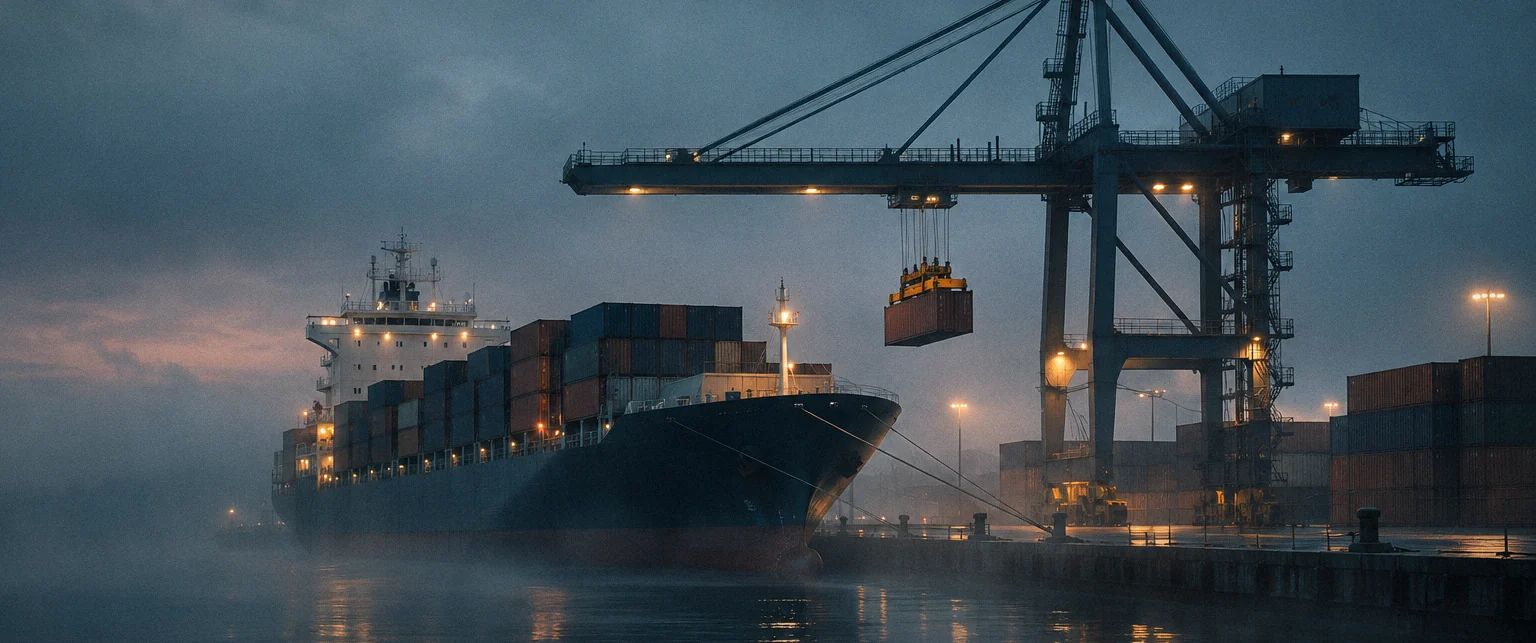
FCL: full containers exclusively for your cargo
With full container load (FCL) you book an entire container for your goods only. It is loaded and sealed at your premises and only opened again at the consignee. This is the most direct form of container shipping: less handling, less risk, predictable transit times.
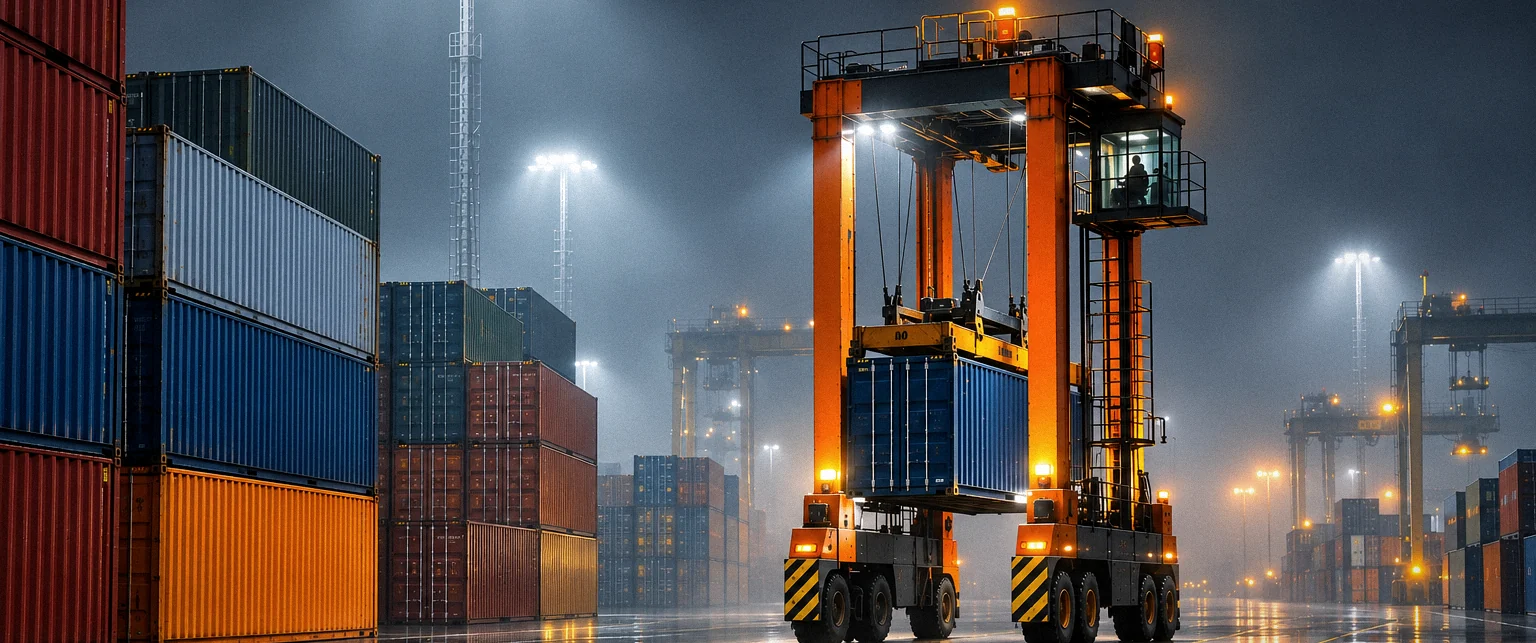
Requirements for your shipment
- VGM is mandatory: since 2016 the shipper must report the verified gross mass (VGM) of every packed container before the cut-off. Without a VGM the container is not loaded.
- Mind the payload: around 21.7 t in a 20′ container and 26.5 t in a 40′ container, plus the road weight limits for pre- and on-carriage.
- Secure stuffing: spread the weight evenly, secure the goods against shifting and fill empty spaces.
- Documents: commercial invoice, packing list, export declaration and the bill of lading.
Process and deadlines
- The empty container is delivered, loaded at your site, sealed and taken to the terminal.
- Observe the terminal cut-off and the free time for container use and storage. After that, demurrage and detention charges apply.
- For imports into the EU, an entry summary declaration (ENS) must be filed in the customs system ICS2 before arrival.
What Logselect takes care of
- Comparison of carriers and sailings
- Pre- and on-carriage by truck or rail
- VGM submission and documents
- Digital tracking until delivery
Internal dimensions and maximum payload of typical standard containers. Values may vary slightly by container.
LCL: ocean freight in a consolidated container
With less than container load (LCL) you share a container with other shippers. Your goods are consolidated with other shipments for the same port at a container freight station (CFS) and separated again at destination. This makes small volumes economical to ship.
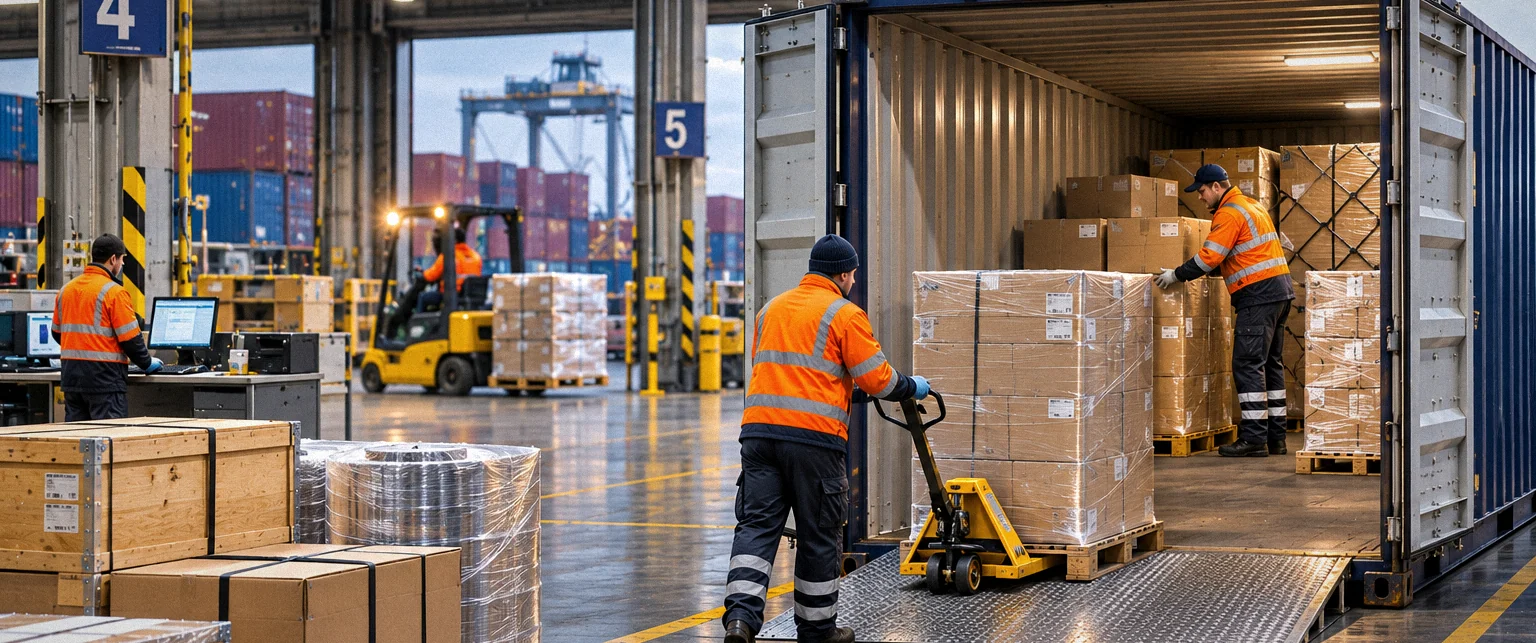
Requirements for your shipment
- Charged by weight or measure, whichever is higher. 1 m³ equals 1,000 kg.
- A minimum of 1 m³ is charged, even for smaller shipments.
- Sturdy, stackable packaging on pallets, because the goods are handled more often than with FCL.
- Wooden pallets compliant with ISPM 15 (heat-treated) and weatherproof marking on every piece.
Process and transit time
- At the CFS, the goods are weighed, measured and loaded into one container with other shipments.
- Because of consolidation and deconsolidation, LCL usually takes 5 to 10 days longer than FCL.
- Free storage time at destination is short. Customs documents should be ready before arrival.
What Logselect takes care of
- Regular consolidation sailings via partners
- Pick-up and delivery to the CFS
- House bill of lading and documents
- Customs clearance and delivery at destination
Dangerous goods by sea: shipping under the IMDG Code
Dangerous goods at sea are governed by the IMO’s International Maritime Dangerous Goods Code (IMDG Code). Amendment 42-24 has been mandatory since 1 January 2026. Classes and UN numbers are the same as in air freight, but packaging, quantities and stowage follow their own rules.
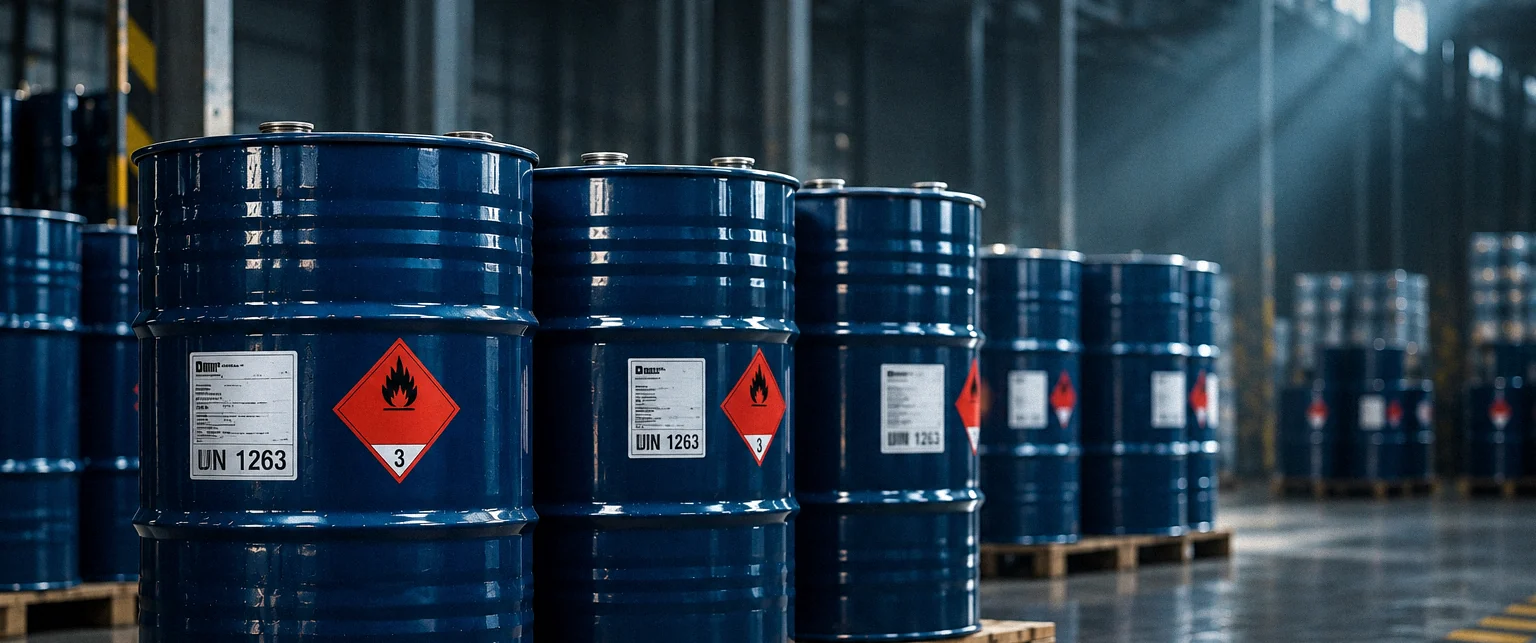
Requirements for your shipment
- Dangerous goods declaration, for example on the Multimodal Dangerous Goods Form, with UN number, class and packing group.
- Container packing certificate: whoever packs the container confirms that it is clean and dry, segregation rules are met and the goods are secured, marked and labelled.
- Placards on the outside of the container for every hazard class inside.
- Prior approval: carriers accept dangerous goods only after advance notification.
Differences from air freight
- Many substances that are forbidden or strictly limited on aircraft may travel by sea in larger quantities.
- Segregation rules apply inside the container and on board, incompatible classes are stowed apart.
- Without a declaration and a signed packing certificate the carrier may not accept the container.
What Logselect takes care of
- Prior approval with the carrier
- Check of declaration and packing certificate
- Choice of ports and carriers that accept the class
- Combination with DANair in air freight
Reefer containers: temperature-controlled ocean freight
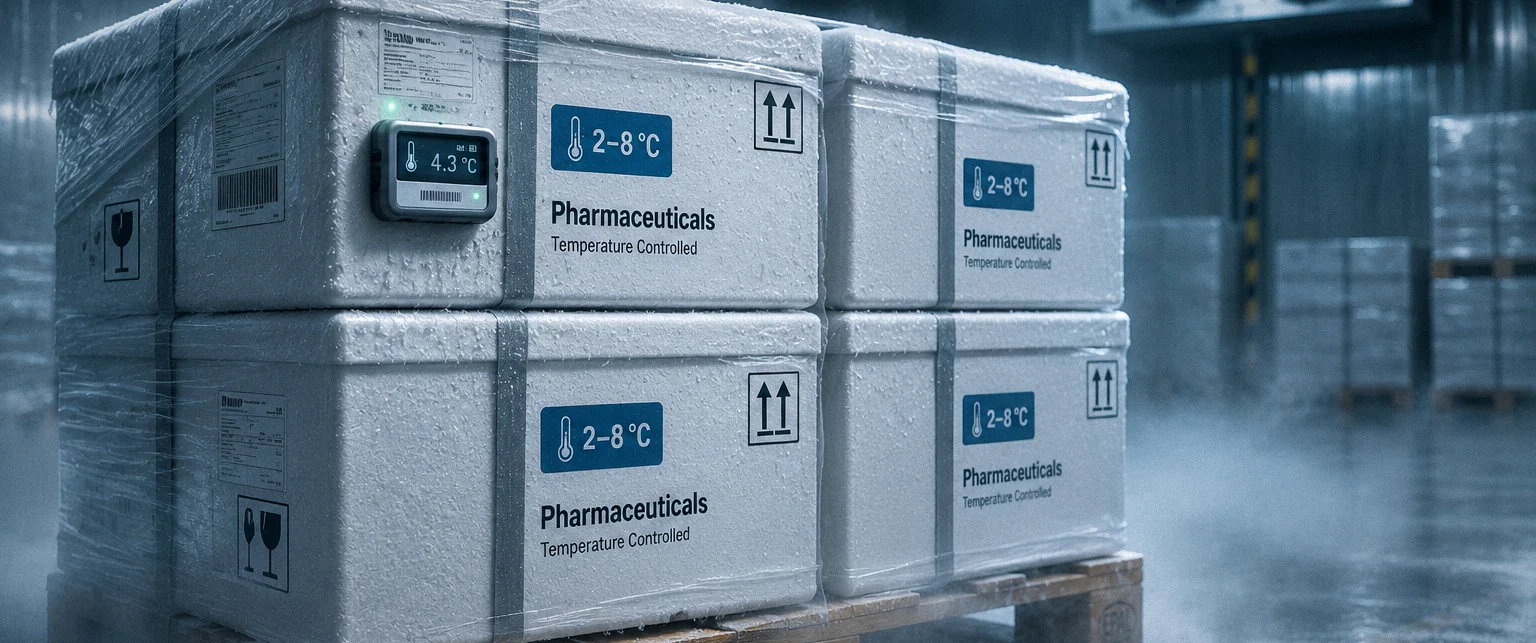
Reefer containers have their own refrigeration unit and hold temperatures from about −30 °C to +30 °C, super freezers even down to −70 °C. Fruit, meat, fish, pharma and chemicals travel stable for weeks.
Requirements for your shipment
- State set point and ventilation in writing: wrong temperature settings are among the most common causes of claims.
- Load pre-cooled: the reefer maintains the temperature, warm stuffing leads to damage.
- Keep airflow clear: do not stow above the load line and do not cover the floor channels.
- For frozen cargo the fresh-air vent stays closed.
Handling en route
- Before loading the container is inspected (pre-trip inspection): clean, dry, odour-free, drains clear.
- Data loggers record temperature and events such as power interruptions.
- Power at the terminal and on board, during pre- and on-carriage via gensets.
What Logselect takes care of
- Reefer booking with pre-trip inspection
- Passing set point and ventilation to the carrier
- Monitoring of temperature data
- Short periods without power
Out of gauge: flat racks and open-top containers
Out of gauge (OOG) is cargo that does not fit through the door of a standard container, for example because it is longer than 12.05 m, wider than 2.33 m or higher than 2.59 m. It travels on flat racks with collapsible end walls or in open-top containers loaded from above by crane.
Requirements for your shipment
- Technical drawing with dimensions, weight, centre of gravity and lifting points. Equipment and securing are chosen accordingly.
- Ready and delivery dates as well as crane options at origin and destination.
- Weather protection: sensitive goods are covered with tarpaulins.
Stowage and costs
- The cargo is secured with straps or chains according to a lashing plan.
- Nothing can be stacked on out-of-gauge cargo. The carrier charges the lost slots as a surcharge.
- Delivery and receipt take place directly at the terminal with special equipment.
What Logselect takes care of
- Feasibility check with the carrier
- Lashing and stowage planning
- Pre- and on-carriage with special vehicles and permits
- Survey and supervision during loading
Project cargo and heavy lift: when no container fits
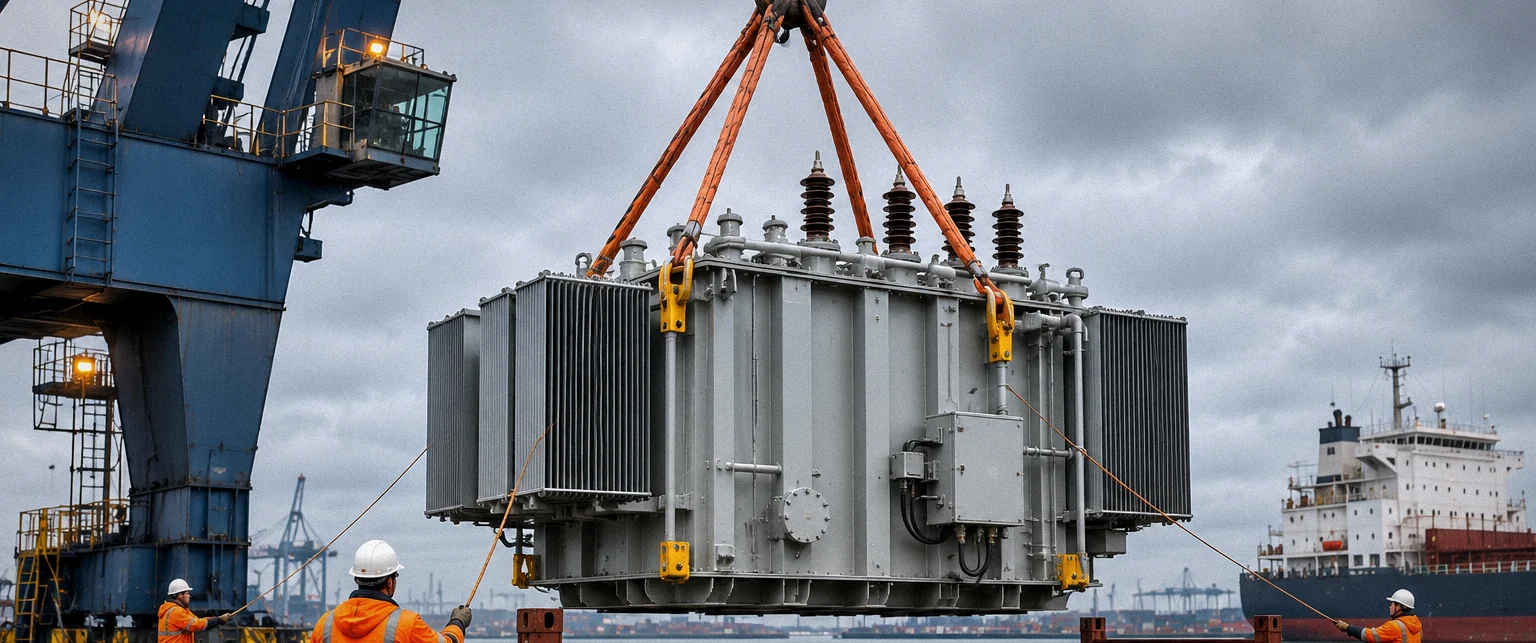
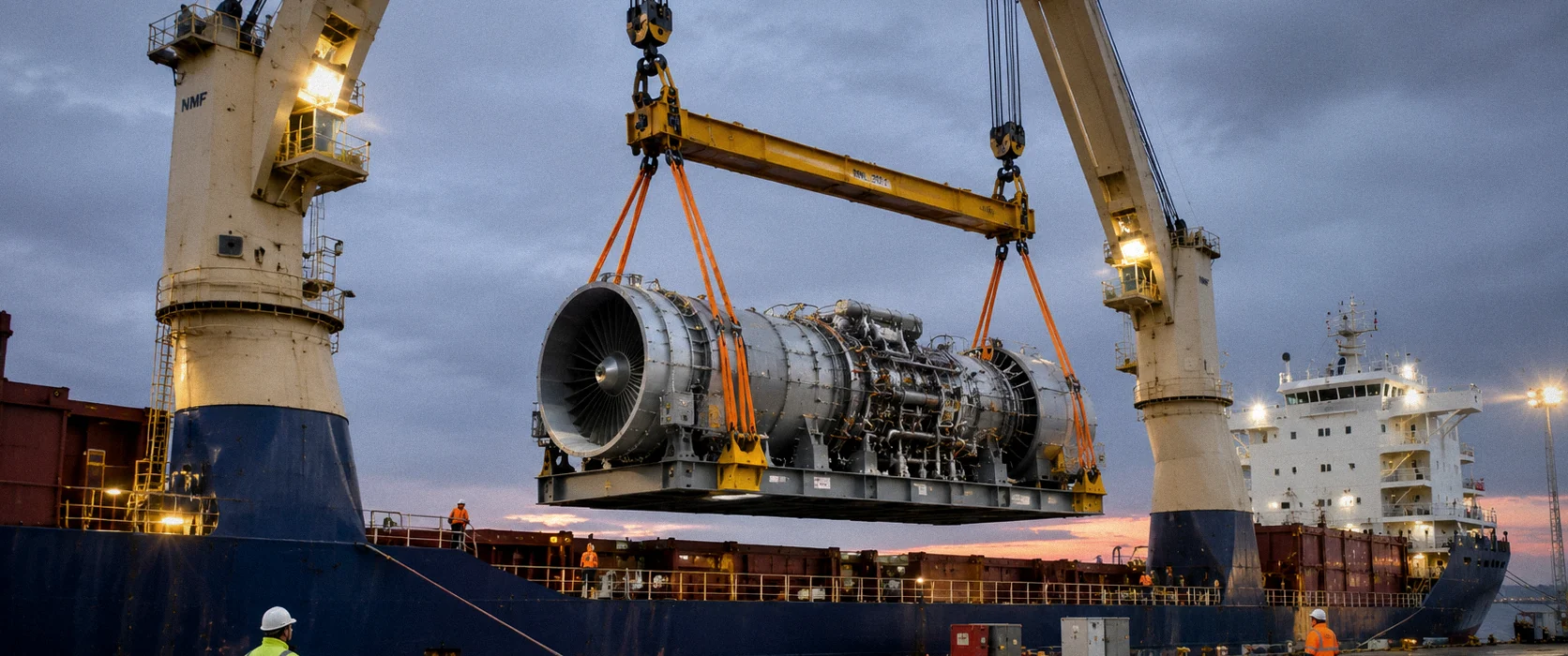
Turbines, transformers, bridge sections or entire production lines travel as breakbulk on deck or in the hold, often on heavy-lift vessels with their own cranes. Project cargo needs weeks of planning and many parties who must be in the right place at the right time.
Requirements for your shipment
- Technical data early: drawings, weights, centres of gravity and lifting points of every piece.
- Packing list per piece and coordinated delivery dates from all suppliers.
- Infrastructure at destination: check port cranes, heavy-lift areas and access roads.
Permits in Germany
- Heavy and oversized road transports need an exemption under § 70 StVZO and a permit under § 29 StVO.
- The permit is applied for digitally via the VEMAGS portal. Processing takes about 2 to 4 weeks.
- Escort vehicles and a route survey may be required.
What Logselect takes care of
- Project planning with a dedicated contact
- Sourcing vessel, crane and special vehicles
- Permits and escort vehicles
- Supervision during loading and discharge
RoRo: shipping rolling cargo
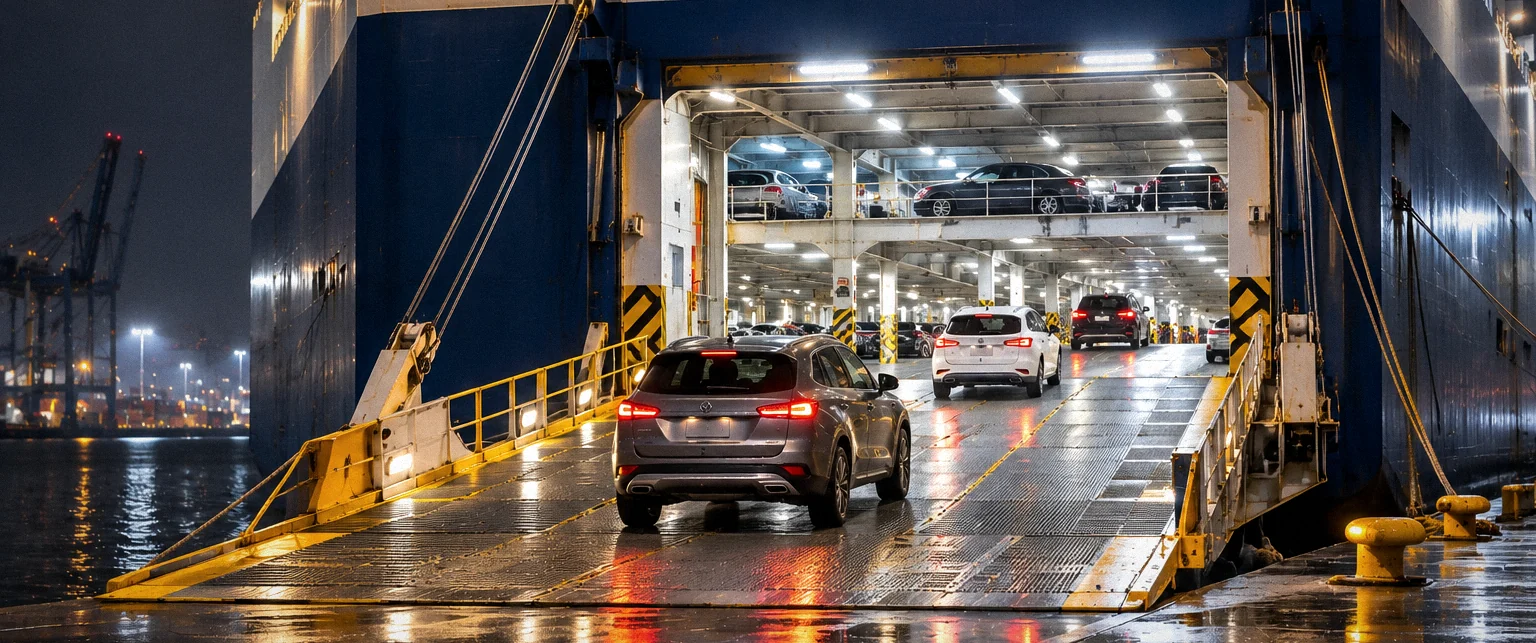
Roll-on/roll-off vessels are loaded and discharged via ramps. Vehicles drive on board and off again at destination, with no crane and no container. This suits cars, trucks, buses and construction and farm machinery.
Requirements for your shipment
- Leak-free and original: no leaking fluids, fuel system in original condition.
- Cleaned: clean inside and out, free of soil and plant debris. Many countries check this for biosecurity.
- Empty: no personal belongings or loose items in the vehicle.
- Electric vehicles with a sufficient state of charge, and an accurate weight declaration for every vehicle.
Process
- Vehicles are delivered to the terminal, driven on board by port staff and lashed.
- Non-running cargo can be loaded on roll trailers.
- Clarify export and import documents and the registration rules of the destination country early.
What Logselect takes care of
- Booking with RoRo carriers
- Transport to the terminal
- Export clearance and documents
- Customs clearance and delivery at destination
Semiconductor logistics by sea
When time allows, ocean freight for semiconductor equipment and components is considerably cheaper. The challenge is humidity, shocks and temperature changes over several weeks.

Requirements for your shipment
- Avoid container rain: temperature changes make moisture condense on the container ceiling and drip onto the cargo.
- Desiccants such as calcium chloride in the upper corners and between layers.
- Vapour-tight barrier foil around sensitive parts, combined with small desiccant bags.
- Dry pallets: kiln-dried wood below 19 % moisture or plastic pallets.
Monitoring and export control
- Shock and tilt indicators and air-ride trucks for pre- and on-carriage.
- Data loggers and humidity indicators document conditions inside the container.
- Since 15 November 2025 the EU dual-use list also covers lithography, etching and deposition equipment.
What Logselect takes care of
- Packaging and climate concept for the container
- Sensor monitoring with alerts
- Screening against export control lists
- Urgent parts in parallel via SEMair by air
Sea-air: by ship to the hub, by air to the destination
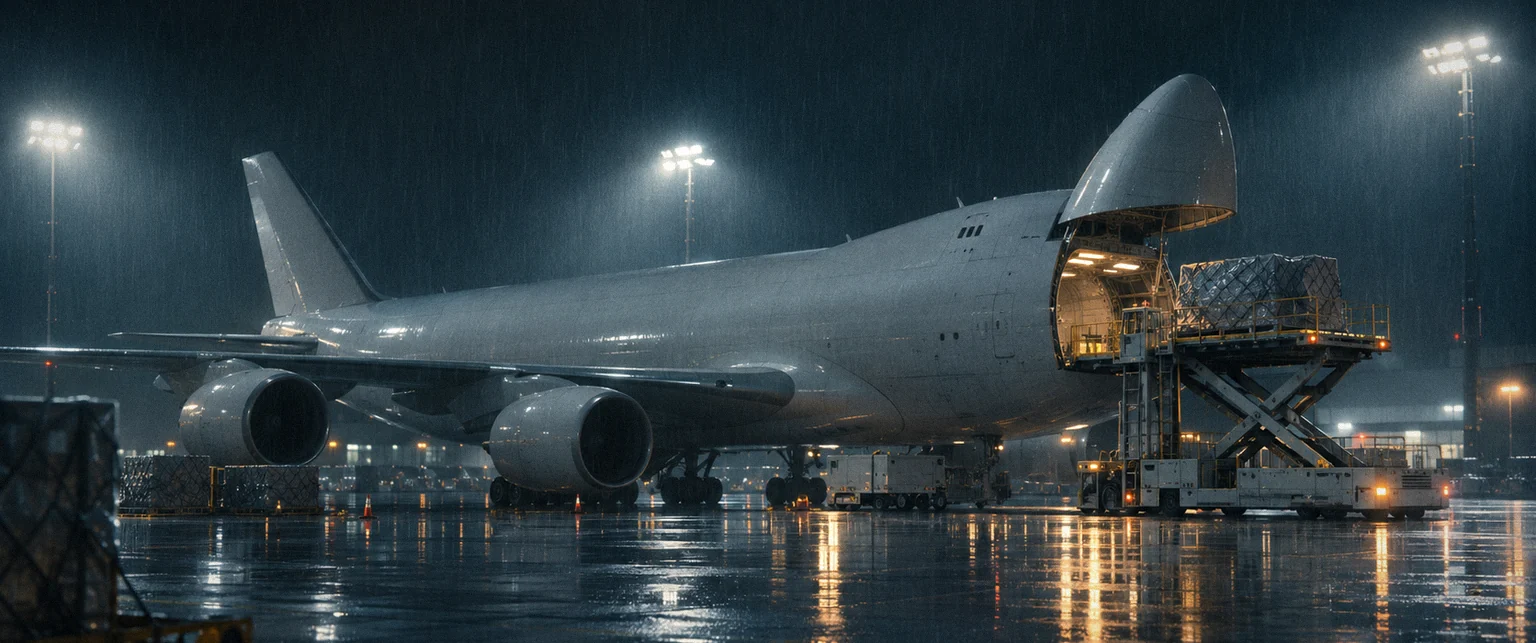
SAIsea combines both modes. The goods travel by ship to a hub such as Dubai and are transferred to air freight there. Providers quote savings of up to 30 to 40 % compared with pure air freight and more than three weeks faster than pure ocean freight.
Requirements for your shipment
- Air-worthy packaging, because the goods are transferred at the hub and built up on aircraft pallets.
- Dimensions and weights must fit the air freight leg.
- Dangerous goods must be permitted under both the IMDG Code and IATA DGR.
When it pays off
- Typical for shipments from Asia to Europe or North America via Gulf hubs.
- When air freight is too expensive and pure ocean freight too slow, for example for seasonal goods or replenishment.
- A bill of lading covers the sea leg and an air waybill the air leg.
What Logselect takes care of
- End-to-end planning of both legs
- Transfer at the hub
- One contact and one tracking
- Comparison with pure air and ocean freight
All SEAselect products compared
| Product | Equipment | Typical goods | Key documents | Rules |
|---|---|---|---|---|
| FCLsea | 20′, 40′, 40′ HC | Large volumes of industrial and retail goods | Bill of lading, invoice, packing list, VGM | SOLAS (VGM), customs law |
| LCLsea | Consolidated container | Pallets, cartons, smaller volumes | House bill of lading, invoice, packing list | ISPM 15, customs law |
| DANsea | Container with placards | Chemicals, paints, batteries, gases | DG declaration, packing certificate | IMDG Code 42-24 |
| TEMsea | Reefer 20′ / 40′ | Fruit, meat, fish, pharma, chemicals | Temperature instructions, logger data | Carrier conditions |
| OOGsea | Flat Rack, Open Top | Machinery, plant, vehicle parts | Drawing, lashing plan, bill of lading | Carrier conditions, German road rules |
| PRJsea | Breakbulk, heavy-lift vessel | Turbines, transformers, plant | Drawings, packing list, permits | § 70 StVZO, § 29 StVO |
| RORsea | RoRo deck, roll trailer | Cars, trucks, buses, construction machinery | Vehicle papers, weight declaration, bill of lading | Carrier conditions, biosecurity |
| SEMsea | 40′ HC, Flat Rack | Production equipment, components, spare parts | Export licence if required, monitoring data | EU dual-use regulation |
| SAIsea | Container + air cargo pallet | Seasonal goods, replenishment, electronics | Bill of lading, air waybill | IMDG Code, IATA DGR |
For all imports into the EU: an entry summary declaration (ENS) must be filed in ICS2 before arrival.
Frequently asked questions about ocean freight
FCL or LCL: which is cheaper?
LCL is charged by weight or volume, with a minimum of 1 m³, and suits smaller volumes. With FCL you pay for the whole container but have it exclusively, with less handling and a shorter transit time. LCL usually takes 5 to 10 days longer.
What is the VGM?
The verified gross mass is the verified total weight of a packed container: cargo, packaging, securing material and the container’s tare weight. Since 2016 the shipper must report it before the cut-off, otherwise the container is not loaded.
What is ICS2?
ICS2 is the EU’s safety and security customs system for imports. For ocean freight into the EU an entry summary declaration (ENS) with data on every shipment must be filed before arrival. Forwarders provide the data at the level of their house bills of lading.
Which rules apply to dangerous goods by sea?
The IMO’s IMDG Code applies, mandatory in the version Amendment 42-24 since 1 January 2026. A dangerous goods declaration and a container packing certificate are required, plus placards on the outside of the container.
When is sea-air worth it?
Sea-air pays off when air freight is too expensive and pure ocean freight too slow. Providers quote savings of up to 30 to 40 % compared with air freight and more than three weeks faster than pure ocean freight.
Planning an ocean shipment?
Send us the type of goods, dimensions, weight and route. We check the requirements and send you a quote.